The Great Advertising Debate
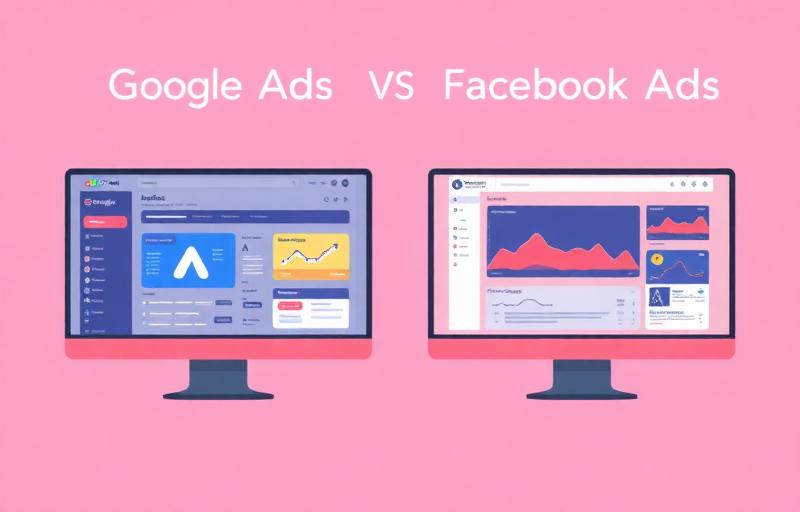
Google Ads and Meta Ads (Facebook and Instagram) are the two dominant digital advertising platforms, collectively capturing over 50% of global ad spend. Both can deliver exceptional return on investment — but they serve fundamentally different purposes.
Understanding the difference is crucial to spending your budget wisely.
The Core Difference: Intent vs Discovery
Google Ads = Intent-based advertising. You're reaching people who are actively searching for what you offer. When someone types "best dentist near me" or "web development agency Hyderabad," they're already in buying mode. Your ad appears at the exact moment of need.
Meta Ads = Discovery-based advertising. You're reaching people based on their interests, behaviors, and demographics — not because they're actively searching. Your ad interrupts their scroll with something compelling enough to stop and engage.
Neither approach is superior. They serve different stages of the customer journey.
When to Choose Google Ads
Google Ads is your best bet when:
- Your product or service has existing demand — People are already searching for what you sell. This includes local services (dentists, lawyers, plumbers), established product categories, and specific solutions.
- You want immediate, high-intent leads — Search ads connect you with prospects who have purchase intent right now.
- Your average deal value is high — The cost-per-click on Google can be expensive (Rs. 50-500+ in competitive industries), so it works best when your customer lifetime value justifies the cost.
- You're a local business — Google's local search ads and map listings are incredibly powerful for driving foot traffic and calls.
Google Ads Best Practices
- Start with exact and phrase match keywords — Avoid broad match until you have enough conversion data to let Google's algorithm optimize.
- Write ads that match search intent — If someone searches "affordable website design," your ad should mention pricing and value, not just features.
- Use negative keywords aggressively — Block irrelevant searches to prevent wasted spend.
- Optimize landing pages — Your ad is only as good as the page it leads to. Ensure message match between your ad copy and landing page headline.
- Track conversions meticulously — Install conversion tracking for calls, form submissions, and purchases to measure true ROI.
When to Choose Meta Ads
Meta Ads excel when:
- You're building brand awareness — If people don't know your product exists yet, Meta's visual, story-driven formats are perfect for introducing your brand.
- Your product is visually compelling — Fashion, food, real estate, events, and lifestyle brands thrive on Instagram and Facebook because the product sells through imagery and video.
- You're targeting specific demographics — Meta's audience targeting is unmatched. You can reach women aged 25-35 in Hyderabad who are interested in fitness and have engaged with competitor pages.
- Your product requires education — If customers don't know they need your product yet, Meta Ads let you create awareness and nurture interest through sequential ad campaigns.
Meta Ads Best Practices
- Lead with video — Video ads consistently outperform static images in engagement and conversion rates. Short-form (15-30 seconds) works best.
- Test multiple creatives — Run at least 3-5 ad variations per audience to find winning combinations. Creative fatigue happens fast.
- Use the Conversions objective — Always optimize for your actual business goal (leads, purchases), not vanity metrics like reach or clicks.
- Build retargeting audiences — Create custom audiences of website visitors, video viewers, and page engagers for high-converting retargeting campaigns.
- Leverage lookalike audiences — Once you have a base of customers or leads, create 1-3% lookalike audiences to find similar prospects.
The Hybrid Approach: Using Both Platforms Together
The smartest advertisers don't choose one platform — they use both strategically:
- Meta Ads for awareness — Introduce your brand to cold audiences through engaging video content and carousel ads.
- Google Ads for capture — When those same people later search for your service or product, your Google Ad is there to capture the demand you created.
- Retargeting on both platforms — Follow up with website visitors on both Google Display Network and Meta to stay top-of-mind.
This full-funnel approach typically delivers 30-50% better ROAS than using either platform alone.
Budget Allocation Guidelines
If you're just starting with paid advertising, here's a general framework:
- Service businesses with local demand — Allocate 60-70% to Google Ads, 30-40% to Meta Ads
- E-commerce and product brands — Allocate 60-70% to Meta Ads, 30-40% to Google Ads
- B2B companies — Consider allocating budget to LinkedIn Ads alongside Google Ads, with Meta for retargeting
Start with a minimum of Rs. 30,000-50,000 per month per platform to gather enough data for optimization. Below that threshold, you're not giving the algorithms enough room to learn and optimize.
"The question isn't Google vs Meta — it's how to make them work together to capture demand at every stage of the customer journey."
Tracking and Attribution
Whichever platform you choose, robust tracking is non-negotiable:
- Install Google Analytics 4 on your website
- Set up conversion tracking on both Google Ads and Meta Ads Manager
- Use UTM parameters on all ad links for accurate attribution
- Review performance weekly and reallocate budget based on data
The platform that delivers the best cost-per-acquisition for your specific business is the right one — and the only way to know is to test, measure, and optimize.